What to Buy in Marrakech: A Local’s Guide to Quality Souvenirs
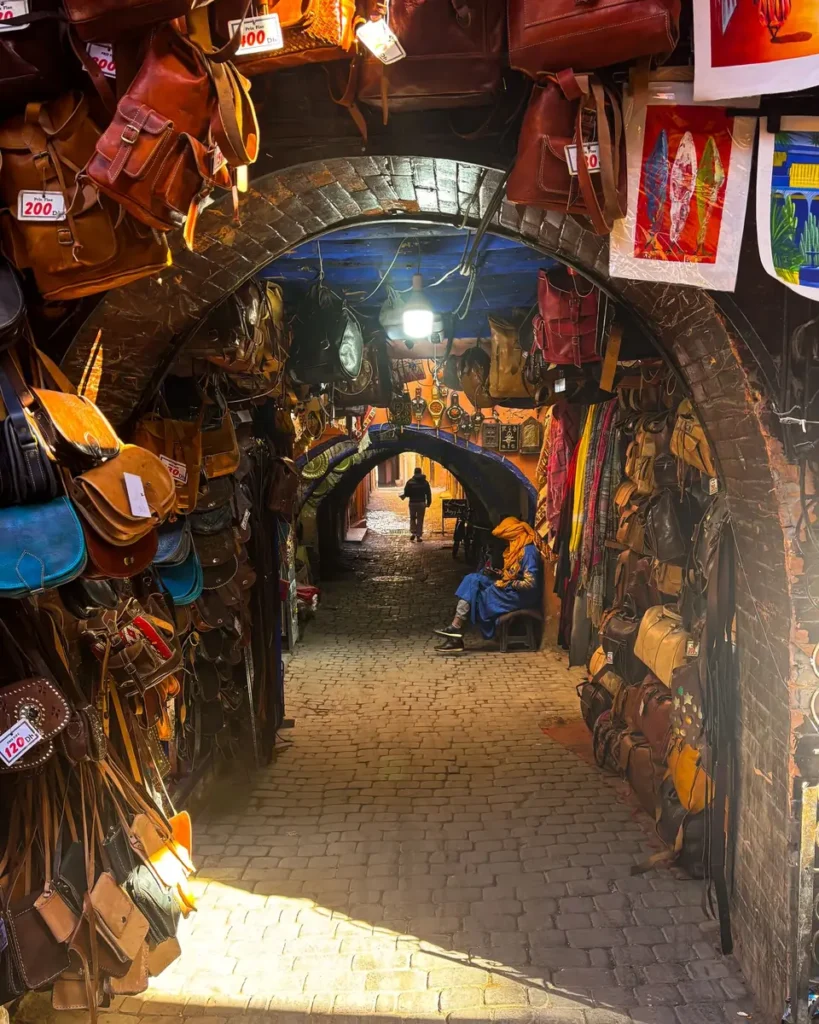
The best things to buy in Marrakech are handmade: Amazigh (Berber) rugs, leather bags and babouche slippers, brass and iron lanterns, painted ceramics, argan oil, spices such as ras el hanout, tea glasses and teapots, woven textiles, thuya wood boxes, and black soap and ghassoul clay for the hammam. Most of it is sold in the souks north of Jemaa el-Fna, and in the souks you bargain.
Quality ranges from fine workshop pieces to quick copies for the tourist trade. Our guides grew up between these stalls, and here we share how we judge a rug, a bag or a bottle of oil, which souk sells what, and how to get it all home. For a map of the lanes themselves, start with our Marrakech souks shopping guide.
Want a local guide beside you in the souks?
Marrakech Shopping Quick Facts
| Topic | Details |
|---|---|
| Best buys | Rugs, leather, lanterns and metalwork, ceramics, argan oil, spices, tea sets, textiles, thuya wood, black soap and ghassoul |
| Main shopping area | The souks north of Jemaa el-Fna, inside the medina |
| Souk hours | Usually from mid-morning into the evening; quieter around Friday midday prayers. Check on the day |
| Bargaining | Expected in the souks; polite, patient and good-humoured works best |
| Payment | Larger, certified shops take credit cards; small stalls usually want cash |
| Do not buy | Tortoise shell, wild animal skins and other protected species; be wary of fossils and antiques |
| Last checked | November 2026 |
What to Buy in Marrakech, and How to Judge Quality
The classic things to buy in Marrakech, and what to check before you say yes.
Rugs
Moroccan rugs come in two main kinds. Knotted pile rugs, such as the thick cream Beni Ourain or the colourful Azilal, are soft underfoot. Flatweaves, often called kilims or hanbels, have no pile and are lighter to carry. Boucherouite are rag rugs woven from recycled fabric strips. Turn a rug over: on a hand-knotted rug the pattern shows clearly on the back, and the knots should feel even. Rub the surface to check the wool does not shed. Our piece on Berber culture in Morocco explains some of the symbols you will see.
Leather
Bags, belts, poufs and babouches (soft slippers) are everywhere. Good leather is supple, smells of leather and not of chemicals, and has tight, straight stitching and a proper lining. The leather is tanned in old tanneries near Bab Debbagh, in the northeast of the medina. They are worth seeing, but people on the street often offer to lead you there and then expect payment or steer you into a shop, so go with your own guide or walk in from the gate.
Lanterns and metalwork
Pierced brass, copper and iron lanterns cast beautiful shadows at night. Heavier metal and neat, even piercing are signs of better work. Check that glass panels are fixed firmly. Smaller lanterns travel far better.
Ceramics
The two styles you will see most often come from other cities. Safi, on the Atlantic coast, is the country’s main pottery centre, known for bold glazes. Fes is famous for its cobalt blue designs. Look for even glazing without bubbles or bare patches, and ask whether a piece is safe for food.
Argan oil
Argan trees grow only in southwest Morocco, and UNESCO lists the know-how around the argan tree as intangible cultural heritage. There are two kinds of oil. Culinary argan oil is pressed from roasted kernels, so it is darker and smells nutty. Cosmetic argan oil comes from unroasted kernels, is paler and has almost no smell. Buy sealed, labelled bottles, ideally from a women’s cooperative or a shop that names its source, and be wary of oils with a strong perfume.
Spices
Ras el hanout means “head of the shop” in Arabic: each spice seller’s own house blend. Cumin, saffron, paprika and dried rose buds are also popular. Choose stalls where spices smell fresh.
Tea glasses and teapots
A teapot and a set of painted glasses bring Moroccan mint tea home. Most teapots are made of nickel silver or silver-plated brass, not solid silver, which is fine for daily use. Check that the lid fits and the spout pours cleanly.
Textiles
Look for handwoven blankets, cotton hammam towels, scarves and embroidered tunics. Natural fibres feel cool and dry; synthetics feel slippery and warm. Check seams and hems.
Thuya wood
Boxes, bowls and chess sets in thuya wood come from Essaouira, where craftsmen use the root burl of the local thuya tree for its swirling grain and warm scent. You will find thuya in Marrakech, but if you join our Essaouira day trip you can see the workshops yourself.
Black soap and ghassoul
Black soap (savon beldi) is a soft olive-based paste used in the hammam with a kessa scrub glove. Ghassoul is a mineral clay from the Middle Atlas, mixed with water for skin and hair. Both are light gifts. Our guide to the hammam in Marrakech explains how to use them.
Which Souk Sells What?
Many souks are named after the trade that once filled them. A few to know:
- Souk Semmarine: the main covered street running north from near Jemaa el-Fna, with textiles, kaftans, scarves and general souvenirs.
- Souk el Attarine: once the spice and perfume street, now known for brass and copper lanterns, mirrors and teapots.
- Souk Haddadine: the blacksmiths’ quarter, where you hear hammers on iron and see lanterns, grilles and furniture made.
- Dyers’ souk (Souk Sebbaghine): skeins of freshly dyed wool hang to dry above the lane; good for photos and yarn.
When Are the Souks Open?
Most shops in the main Marrakech souks usually open around mid-morning and stay open until the evening, seven days a week. Fridays are quieter: some shops open later, and many slow down or close for a while around the midday prayer. During Ramadan, hours shift and many shops do more trade in the evening. Hours vary from shop to shop, so check on the day.
How Does Bargaining Work in Marrakech?
Bargaining is part of souk shopping, and done well it is friendly. Our guides’ tips:
- Look around and handle a few pieces before asking a price.
- Decide what the piece is worth to you, and let the seller make the first offer.
- Smile, take your time and accept tea if offered; it does not oblige you to buy.
- Only make an offer if you really intend to buy at that level.
- Walking away politely is fine, and sometimes brings a better offer.
- Carry cash in small notes for the small stalls. Larger, certified shops take credit cards, which is easier for a big piece like a rug. Our Marrakech currency guide covers cash and cards.
How Do You Get Your Purchases Home?
Many rug and furniture shops offer to ship larger items. If you choose this, get a written receipt that describes the item, and ask about delivery method, tracking and who pays any import duties when it arrives. Many guests simply fold a rug into a checked bag. Liquids such as argan oil, olive oil and rose water must follow the airport liquids rules in hand luggage, so pack larger bottles in checked luggage inside a sealed plastic bag. Check what food your home country allows in.
What Should You Not Buy?
- Anything made from protected animals, such as tortoise shell or wild animal skins. Customs at home can seize them.
- Fossils, unless you know the seller well. Many are fakes, composites or heavily restored.
- Genuine antiques without paperwork. Exporting antiques and works of art may need permission from Morocco’s Ministry of Culture, so ask the dealer and check with customs first.
With or Without a Guide?
You can shop the souks alone. A guide helps when you plan a bigger purchase or want to see real workshops. On our private Marrakech shopping tour, a local guide takes you to the right lanes, helps you judge quality and translates while you bargain. You buy only if you want to. If you would like the craft souks as part of a wider day, our signature tour of Marrakech includes them too.
Frequently Asked Questions
What is the best thing to buy in Marrakech?
Rugs and leather bags are the classic big purchases, while argan oil, ras el hanout, tea glasses, babouche slippers and small ceramics are easy to carry home. Judge each piece on how it is made: knots and wool for rugs, stitching for leather, labels and smell for argan oil.
What time do the souks open in Marrakech?
Most shops in the main Marrakech souks usually open around mid-morning and stay open into the evening, every day of the week. Many slow down or close for a while around Friday midday prayers, and hours change during Ramadan. Times vary from shop to shop, so check on the day.
Do you have to bargain in Marrakech?
In the souks, yes: bargaining is normal and expected. Ask the price, offer what the piece is worth to you and meet somewhere in between. Stay friendly, and only make an offer if you would really buy. Larger, certified shops take credit cards, so you do not need to carry a lot of cash for a big purchase.
Can I take argan oil in my hand luggage?
Only in small bottles that meet the airport liquids rules for hand luggage. Larger bottles of argan oil should go in checked luggage, sealed in a plastic bag. Check your airline’s rules before you fly.
Can shops in Marrakech ship a rug home?
Many rug and furniture shops offer to ship larger pieces abroad. Ask for a written receipt describing the item, plus tracking and who pays any import duties at home. Many guests simply fold a rug into their checked luggage.
Are there things I should not buy in Marrakech?
Avoid anything made from protected animals, such as tortoise shell or wild animal skins. Be careful with fossils, since many are fakes, and with genuine antiques, which may need official permission to leave Morocco.
I always tell guests to buy something they will use, from someone they enjoyed meeting. Take your time, look closely and keep it friendly. If you would like help planning a shopping day, or a whole trip, message us on WhatsApp at +212 661 922 789 or use our tailor-made tour planner.
Would you like a guide to help you shop the souks?
Find our guides useful? Add Marrakech Tailor Made Tours as a preferred source on Google to see more of our Marrakech tips in your search results.
Planning a trip to Marrakech?