Marrakech in January: Weather, What to Pack and Yennayer
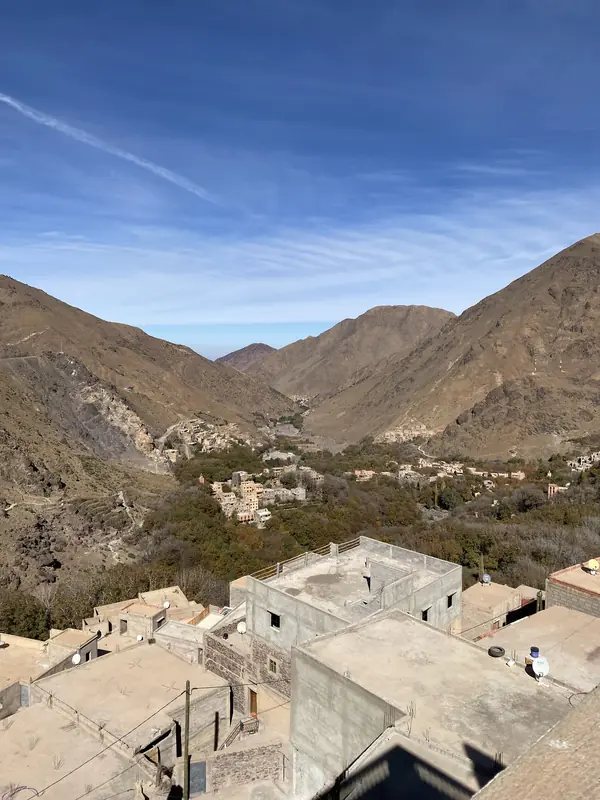
Marrakech weather in January is sunny, dry and mild by day, and cold at night. Afternoons usually reach around 18 to 20°C, nights fall to around 5 to 7°C, and rain comes on only about three days in a typical month. January is the coolest month of the year here, and the High Atlas on the horizon is usually white with snow.
After the first week of January, when the New Year visitors go home, the city is calmer than at any other time of the winter. That makes January a very good month for the medina, the souks and a long afternoon in a hammam, as long as you bring a warm coat and choose a riad with proper heating.
Coming in January and want a local to plan your days around the sun?
Marrakech in January Quick Facts
| Topic | Details |
|---|---|
| Daytime | Usually sunny and dry, around 18 to 20°C in the afternoon |
| Nights | Cold, around 5 to 7°C; occasionally close to freezing |
| Rain | Usually about three rainy days in the month |
| Daylight | About 10 to 10.5 hours; sunrise around 7:30am, sunset from around 5:40pm to 6pm (Morocco is on GMT in winter) |
| Public holidays | 1 January (New Year), 11 January (Independence Manifesto) and 14 January (Amazigh New Year, Yennayer) |
| Crowds | Busy in the first days of January, then one of the quietest stretches of the year |
| Best day trips | Atlas Mountains and Imlil for snow views, Agafay at sunset, Essaouira on a calm day |
| Last checked | November 2026 |
What Is the Weather Like in Marrakech in January?
According to the 1991 to 2020 climate normals for the Marrakech-Menara weather station, the average January high is about 19°C and the average low about 6°C. Around 25 mm of rain falls over about three days with meaningful rain, and the city gets roughly 230 hours of sunshine in the month, so most days are bright.
In practice, that means cold, clear mornings, a warm hour or two around lunchtime in the sun, and a quick drop in temperature once the sun goes down. On the coldest nights the temperature can fall close to freezing, although frost in the city is rare.
Daylight is short. The sun rises at around 7:30am and sets at around 5:40pm at the start of the month and just after 6pm by the end. For a month-by-month comparison, see our Marrakech weather by month guide, and if you are deciding between the two winter months, read our guide to Marrakech in December.
Will There Be Snow on the High Atlas?
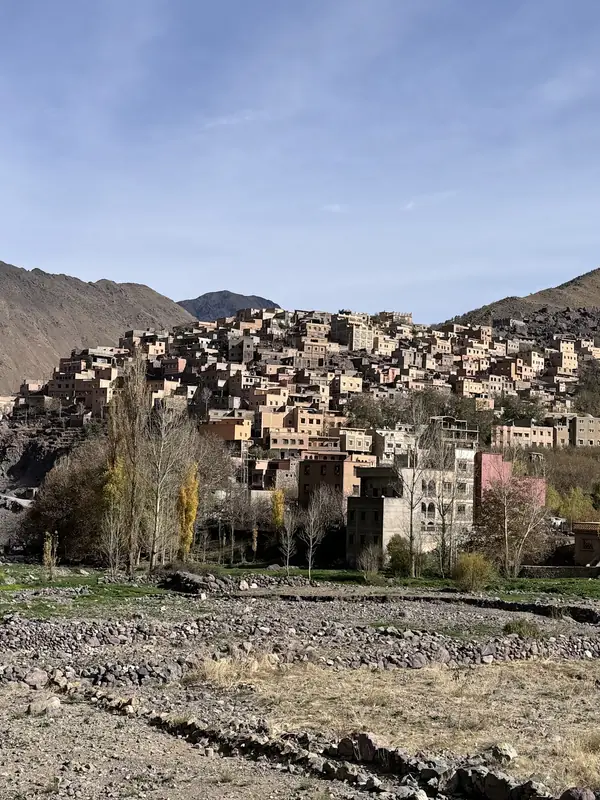
Very likely. January is one of the snowiest months in the High Atlas, and on clear mornings the white peaks show up from rooftop terraces and along the roads south of the city. It almost never snows in Marrakech itself. The amount of snow in the mountains changes from year to year, so treat the view as a bonus rather than a promise.
What Should You Pack for Marrakech in January?
Pack for two seasons in one day. Our guides send this list to guests every January:
- A warm coat or padded jacket for the evenings and early mornings
- A jumper or fleece you can take off at lunch and carry in a day bag
- Comfortable closed shoes for cold mornings and uneven medina lanes
- Warm sleepwear and thick socks, because riad rooms can be cool at night
- Sunglasses and sunscreen, since the winter sun is still strong at midday
- A hat, gloves and a waterproof layer if you are heading to the Atlas Mountains
- Clothes that cover shoulders and knees, which is respectful in the medina and in the villages
For more detail on dress, see our guide on what to wear in Marrakech.
What Is January Good For in Marrakech?
January is a month for the city itself, with cool air for long walks and more space in the palaces and gardens.
City Sightseeing
We plan the main sights for the late morning and early afternoon, when the sun is highest. The Koutoubia, the Bahia Palace, the Saadian Tombs and the Ben Youssef Madrasa are all easier to enjoy without summer heat. Opening hours can change, so check them on the day. Entrance fees are paid separately.
The Souks
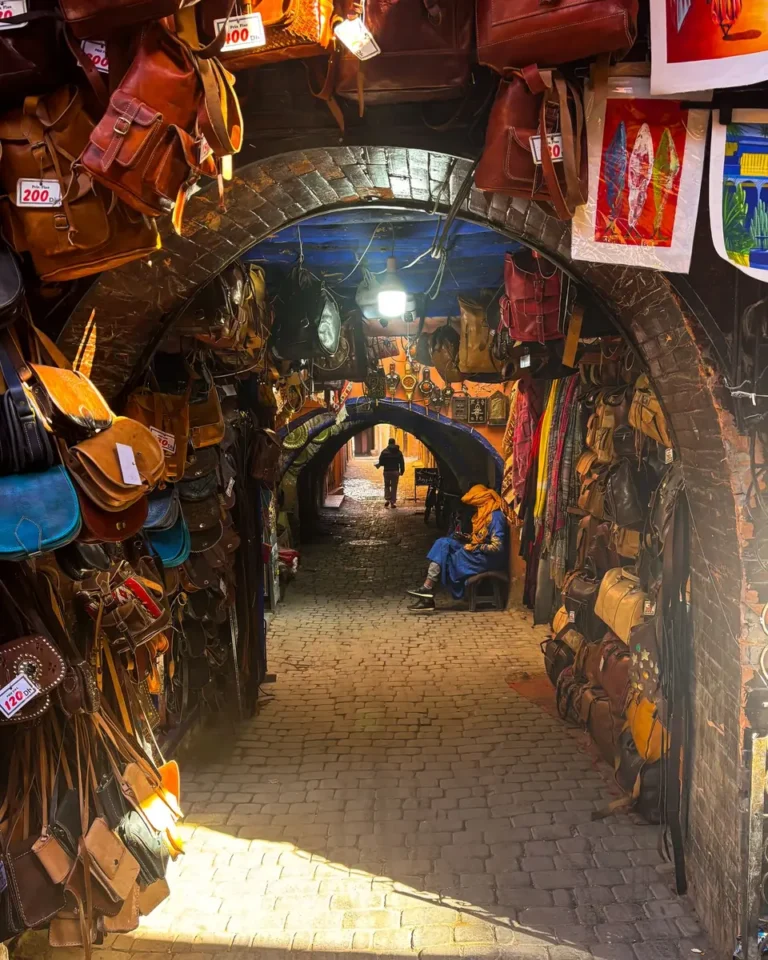
The souks are at their best in winter. You can browse wool blankets, leather slippers and lanterns without rushing. Our Marrakech souks shopping guide explains how the different areas work.
A Hammam at the End of the Day
After a cold day in the medina, an hour of steam and a scrub is the local way to warm up before dinner. Read our hammam guide to choose between a public hammam and a spa.
Amazigh New Year (Yennayer) on 14 January
Yennayer, the Amazigh New Year, marks the start of the agricultural year in the Amazigh calendar. Families celebrate with a special meal, and in Marrakech and the surrounding villages you may see concerts and cultural events. Since 2024, 14 January has been an official paid national holiday in Morocco, following a royal decision announced in 2023.
For visitors, the holiday makes little practical difference. Banks and government offices close, but the souks, restaurants and most sights in Marrakech usually stay open. 11 January, the anniversary of the Independence Manifesto, is also a public holiday. To learn more about Amazigh traditions, see our article on Berber culture in Morocco.
How Busy Is Marrakech in January?
The first few days of January are still part of the holiday rush, so riads and restaurants are full. From around the second week, the city goes quiet, and late January is one of the calmest times of the winter. That changes again in February, when European school half-term holidays bring families back.
Ramadan in 2027 is expected to begin around 8 February, depending on the moon sighting, so it does not fall in January.
How Warm Are Riads in January?
A riad is built around an open courtyard, which keeps it cool in summer but lets the cold in during January. Many rooms have heaters or air conditioning that blows warm air, and good riads add extra blankets, but older houses can still feel chilly at night.
Before you reserve, ask whether every room has heating, whether there is a fireplace in the lounge and whether breakfast is served indoors on cold mornings. If you want to understand how these houses work, read our guide on what a riad is.
Which Day Trips from Marrakech Work Best in January?
Atlas Mountains and Imlil
With snow on the peaks, the Atlas is at its most beautiful. A walk through the villages around Imlil ends with mint tea by a stove, so dress warmly. Heavy snow can occasionally close roads, and your guide checks conditions the day before. See our Atlas Mountains day trip.
Agafay at Sunset
The stony Agafay Desert is about 45 minutes to an hour from the city. January sunsets there, with the snowy Atlas behind the hills, are beautiful, but it gets cold fast, so bring a proper coat. Read more about our Agafay day trip.
Essaouira
Essaouira on the Atlantic coast has milder nights than Marrakech, but the sea breeze can make it feel cooler and it is often windy. Pick a calm, sunny day and bring a windproof layer. See our Essaouira day trip.
With or Without a Guide in January?
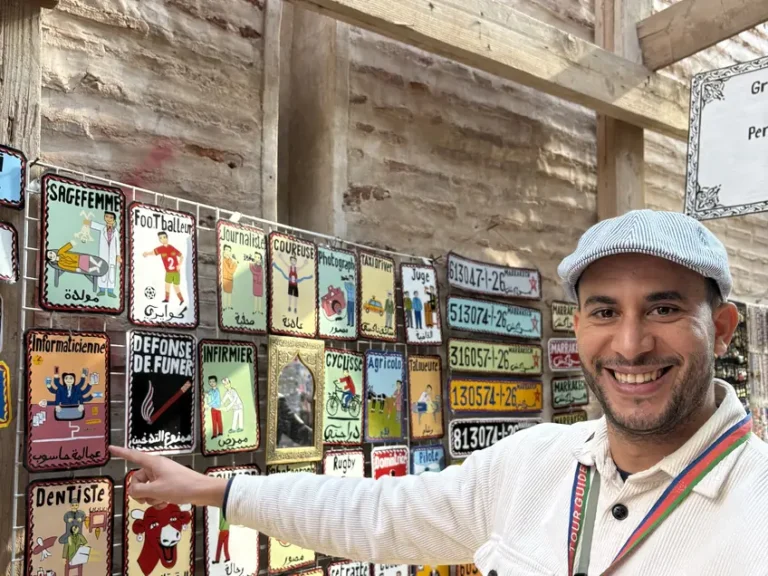
You can explore Marrakech on your own in January. A private guide helps most when the days are short and you want to make the most of the sunny hours. Our guides were born and raised in Marrakech. They meet you at your riad or hotel, plan the route around opening hours and the sun, and walk at your pace.
If you want a local with you, look at our private Marrakech city tour or our private day trips from Marrakech. Every tour we run is private: just you, the people you are travelling with and your own guide.
Frequently Asked Questions
Is January a good time to visit Marrakech?
Yes, for most travellers. January in Marrakech brings sunny, dry days of around 18 to 20°C, few crowds after the first week and snow on the High Atlas. The drawbacks are cold nights of around 5 to 7°C, short days and chilly rooms in older riads, so pack a warm coat and ask about heating.
How cold is Marrakech in January at night?
Nights in Marrakech in January usually fall to around 5 to 7°C, and on the coldest nights the temperature can drop close to freezing. A warm jacket is essential for evenings out and rooftop dinners.
Does it rain in Marrakech in January?
Not much. Based on 1991 to 2020 climate normals, Marrakech gets about 25 mm of rain in January, spread over around three rainy days. Most days are sunny, but bring a light waterproof layer, especially for a trip to the Atlas Mountains.
Does it snow in Marrakech in January?
Snow in Marrakech itself is extremely rare. The High Atlas, about an hour and a half south, is usually snow-capped in January, and on clear days you can see the peaks from rooftop terraces. A day trip to Imlil takes you up close.
Is Yennayer a public holiday in Marrakech?
Yes. Since 2024, the Amazigh New Year on 14 January has been an official paid national holiday in Morocco. Banks and government offices close, but the souks, restaurants and most tourist sites in Marrakech usually stay open.
Is it warm enough to swim in Marrakech in January?
Usually not in an unheated pool. Afternoons are pleasant for sitting in the sun, but the water is cold. Some hotels and riads have heated pools.
I always recommend January to friends who want Marrakech without the crowds. Pack for cold evenings, choose a warm riad, and spend the sunny hours outside.
Want help planning January days in and around Marrakech?
Find our guides useful? Add Marrakech Tailor Made Tours as a preferred source on Google to see more of our Marrakech tips in your search results.
Planning a trip to Marrakech?