Marrakech Souks: How to Shop Like a Local (Without the Scams)
To shop well, arrive in the morning, walk without urgency, learn which souk sells what, and always agree on a price before committing. Most souk shops open between 9 and 10 am and close between 8 and 9 pm, and Friday around midday prayer is the quietest time.
This guide tells you exactly where to go, what to buy, how to bargain, and how to avoid the traps that catch most first-time visitors.
The Marrakech souks are one of the largest traditional markets in Morocco, with dozens of craft quarters and centuries of trading history packed into the northern Medina.
Want help to shop the souks?
Understanding the Souks: Layout & History
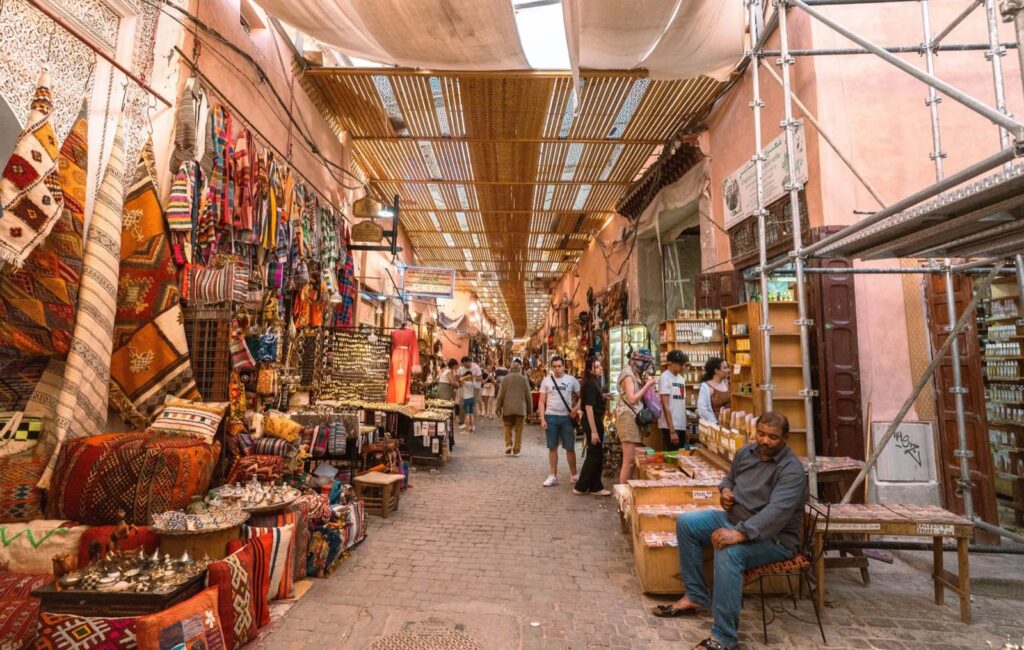
The souks of Marrakech begin where the streets narrow north of Jemaa el-Fna, and run north through lanes grouped by trade.
Dating back to the 11th century, when Marrakech was founded by the Almoravid dynasty, the souks grew into a major commercial hub connecting traders from across North Africa, the Sahara, and the Mediterranean.
Today, they remain both a working market for locals and one of Marrakech’s most popular attractions. Understanding how the souks are organized makes them easier to navigate and helps you find the best crafts, spices, textiles, and leather goods.
For a broader introduction to the Medina surrounding the souks, read our Marrakech Medina: A Walking Guide to the Old City.
The Main Souks: What’s Where

The souk network is anchored by Souk Semmarine, the wide, covered main artery that runs north from Jemaa el-Fna. From there, it branches into dozens of specialized quarters. Here are the ones worth knowing:
| Souk | What you’ll find | Best for |
|---|---|---|
| Souk Semmarine | Textiles, clothing, souvenirs | Entry point, orientation |
| Souk el-Attarine | Spices, argan oil, rose water, perfumes | Authentic Moroccan ingredients |
| Souk Chouari | Woodcarvers, carpenters, marquetry | Handcrafted wooden goods |
| Souk Cherratine | Leather goods, bags, belts | Leather products |
| Souk Haddadine | Blacksmiths, metalwork, lanterns | Decorative metalwork |
| Souk Lghzel | Wool merchants | Textiles and rugs |
| Souk Sebbaghine | Dyers, the wool dyers’ souk | Photography, color |
How to Navigate
Enter through Souk Semmarine, then turn off into the side lanes once you’ve got your bearings. The further you go from the main artery, the fewer souvenir shops you’ll see.
The craftsmen working in the back lanes are often producing goods for the local market, not the souvenir trade, and their prices reflect that.
For a full sensory experience of the souks combined with the food markets of the Medina, our Marrakech Food Tours take you through both, with a local guide who knows exactly which stalls to stop at and which to walk past.
How to Bargain Without Feeling Uncomfortable
In the Marrakech souks, bargaining is how prices are set, and merchants expect it. There are a few unwritten rules, and once you know them it gets much easier.
The Unwritten Rules of Souk Bargaining

- Start below the asking price
A counter-offer of around 40–50% of the initial price is generally expected. The final price usually falls somewhere in between.
- Only negotiate if you’re interested
Once a price is agreed, walking away is considered impolite. Feel free to browse, but negotiate seriously only when you’re considering a purchase.
- Stay relaxed and friendly
A smile and a respectful attitude often lead to better results than aggressive bargaining.
- Take your time
Merchants expect some back-and-forth. Avoid rushing and compare prices before making a decision.
- Know when to stop
If the price feels fair, accept it. If not, a polite “la shukran” (no thank you) and walking away may lead to a final offer.
- Look for fixed-price shops
Some stores display fixed prices and do not negotiate. While prices may be slightly higher, the shopping experience is simpler and more transparent.
Bargaining is part of the experience, but staying alert to common tricks will keep the process enjoyable rather than stressful. For broader safety context while exploring crowded markets, see our article on staying safe as a tourist in Marrakech.
What to Buy (and What to Skip)
The Best Buys in the Marrakech Souks
- Argan oil and spices: Souk el-Attarine
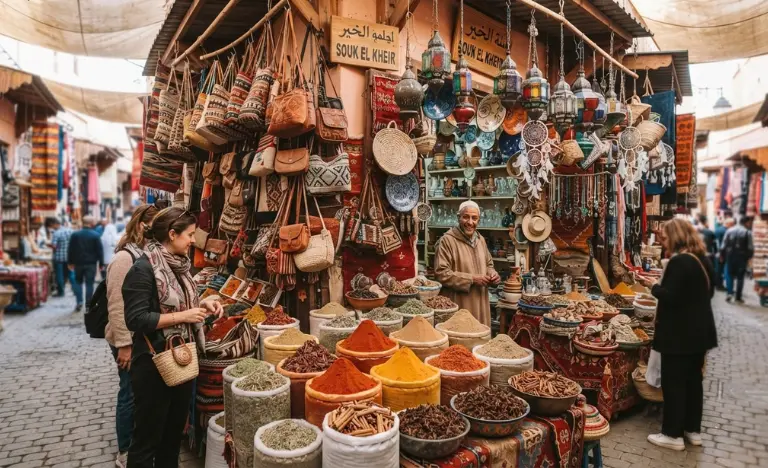
Argan oil is one of Morocco’s most famous products and makes an excellent souvenir. Souk el-Attarine is also the best place to shop for saffron, cumin, ras el hanout, rose water, and preserved lemons.
For the best quality, buy from established spice merchants rather than stalls near the main tourist areas.
For everything you need to know before purchasing, check this guide to buying argan oil in Morocco.
- Handwoven textiles: Souk Lghzel and surrounding lanes
Traditional blankets, scarves, cushion covers, and djellabas offer excellent value and showcase Moroccan craftsmanship.
Handwoven pieces are generally more authentic and distinctive than machine-made alternatives.
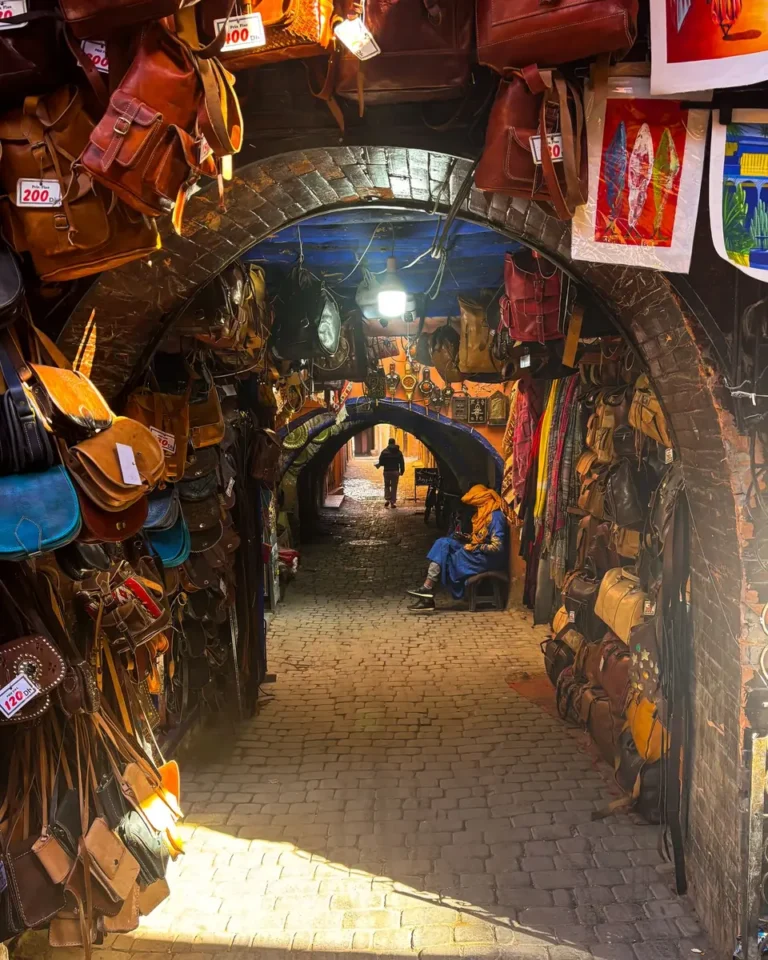
- Leather goods: Souk Cherratine
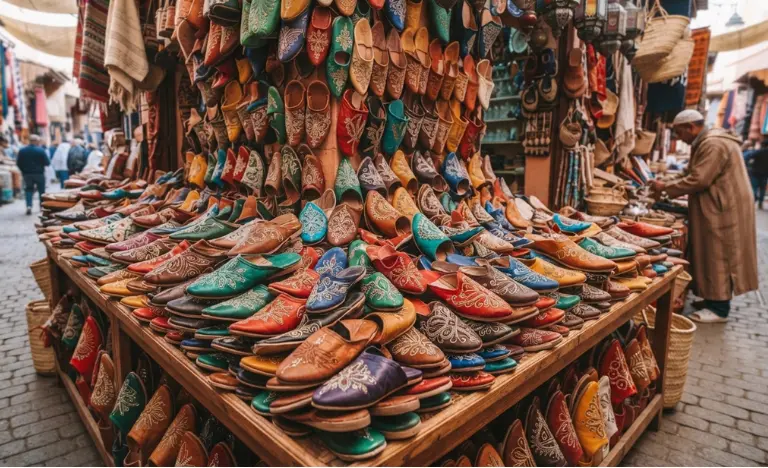
Marrakech has a long tradition of leather craftsmanship. Bags, belts, wallets, babouches, and poufs are among the most popular purchases.
When shopping, ask whether the leather is genuine and compare quality before making a decision.
- Metalwork and lanterns: Souk Haddadine
This area is known for handcrafted lanterns, trays, teapots, and decorative metal pieces.
Many items are still produced using traditional techniques, making them some of the most distinctive souvenirs available in Marrakech.
- Ceramics: Potters’ Quarter
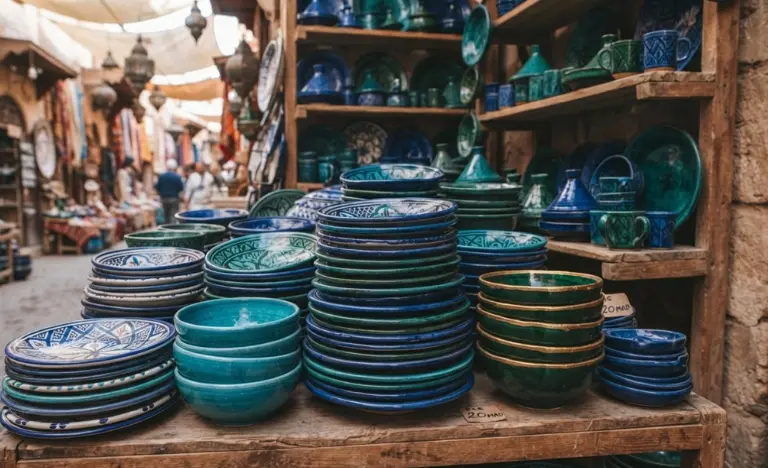
Moroccan ceramics are both beautiful and practical. Decorative plates, bowls, cups, and tagines are widely available in a variety of colors and patterns.
Before buying, check for cracks and ensure the glaze is even.
What to Skip
- Carpets sold near Jemaa el-Fna
Shops close to the main square often target tourists, and prices can be significantly higher than elsewhere in the souks. If you’re interested in a genuine Moroccan carpet, it’s usually worth exploring deeper into the market.
- Cheap argan oil from tourist stalls
Low-priced argan oil may be diluted or of inconsistent quality. Buying from a reputable spice merchant is generally a safer option.
- Products offered at a “special price just for you”
This is often a sales tactic aimed at tourists. Take your time, compare prices, and don’t hesitate to walk away if the offer doesn’t feel right.
How to Visit Without Getting Scammed
The souks are safe and the vast majority of merchants are honest. A few situations still catch first-time visitors off guard, and these are the ones I warn my guests about.
The Unofficial Guide Problem
One of the most common issues is the unofficial guide, someone who offers to show you around and then leads you to shops where they earn a commission. These stores are often more expensive than others in the souk.
How to handle it:
A polite but firm “no thank you, I’m just browsing” is usually enough, or if you want guidance, book a licensed private guide before you arrive.
The Carpet Invitation
You may be invited into carpet shops by friendly locals or people claiming they simply want to practice their English. The visit often begins with mint tea and ends with a sales presentation.
Accept the tea and go in only if you’re seriously thinking of buying a carpet.
Price Switching at Food Stalls
While more common around the Medina than inside the souks, prices quoted verbally can sometimes differ from the final bill. For everything you need to know about eating safely and well in the Medina, our guide to Jemaa el-Fna Square covers the food stall system in detail.
Safety in the Souks
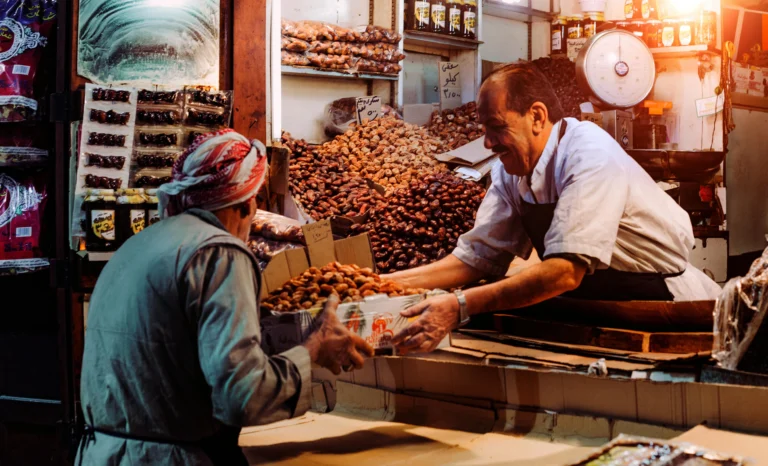
The souks are generally very safe. Pickpocketing can occur in crowded areas, so keep valuables secure and stay aware of your surroundings. Serious crime against tourists is rare. For a complete breakdown of safety across Marrakech, read our guide: Is Marrakech Safe for Tourists?
The Best Way to Shop: Go With Someone Who Knows
One of the easiest ways to shop confidently is with a licensed local guide. They can help you identify quality products, avoid overpriced shops, and understand what a fair price looks like.
Our private shopping tour (about 3 hours) takes you through the souks with a licensed guide who knows the workshops and what a fair price looks like.
For more ideas on what to see in Marrakech, explore our guides to the Best Things to Do in Marrakech and Marrakech Hidden Gems.
Want this with a private guide? We plan it with you before you arrive.
Frequently Asked Questions
What are the opening hours of the Marrakech souks?
Most souk shops open between 9am and 10am and close between 8pm and 9pm. Friday afternoons see reduced activity as many merchants close for prayer. The souks never fully close, the Medina is a living city, but commercial activity is quietest around Friday midday prayer and during Ramadan daytime hours.
Are the Marrakech souks safe?
Yes. The souks are safe for tourists including solo travelers. Keep your phone in a front pocket in crowded areas and be aware of unofficial guide approaches. Read our full safety guide: Is Marrakech Safe for Tourists?
What’s the difference between the souks and Jemaa el-Fna?
Jemaa el-Fna is the open central square, with food stalls and performers. The souks are the covered market lanes immediately north, with craft quarters and merchants. They connect naturally and most visitors do both in the same half-day.
Read our Jemaa el-Fna guide for everything you need to know about the square before you visit.
Can you visit the Marrakech souks without buying anything?
Yes. Many visitors explore the souks simply to experience the atmosphere, watch local artisans at work, and admire the traditional architecture. Walking through the markets is an attraction in itself, even if you don’t plan to shop.
Planning a trip to Marrakech?